
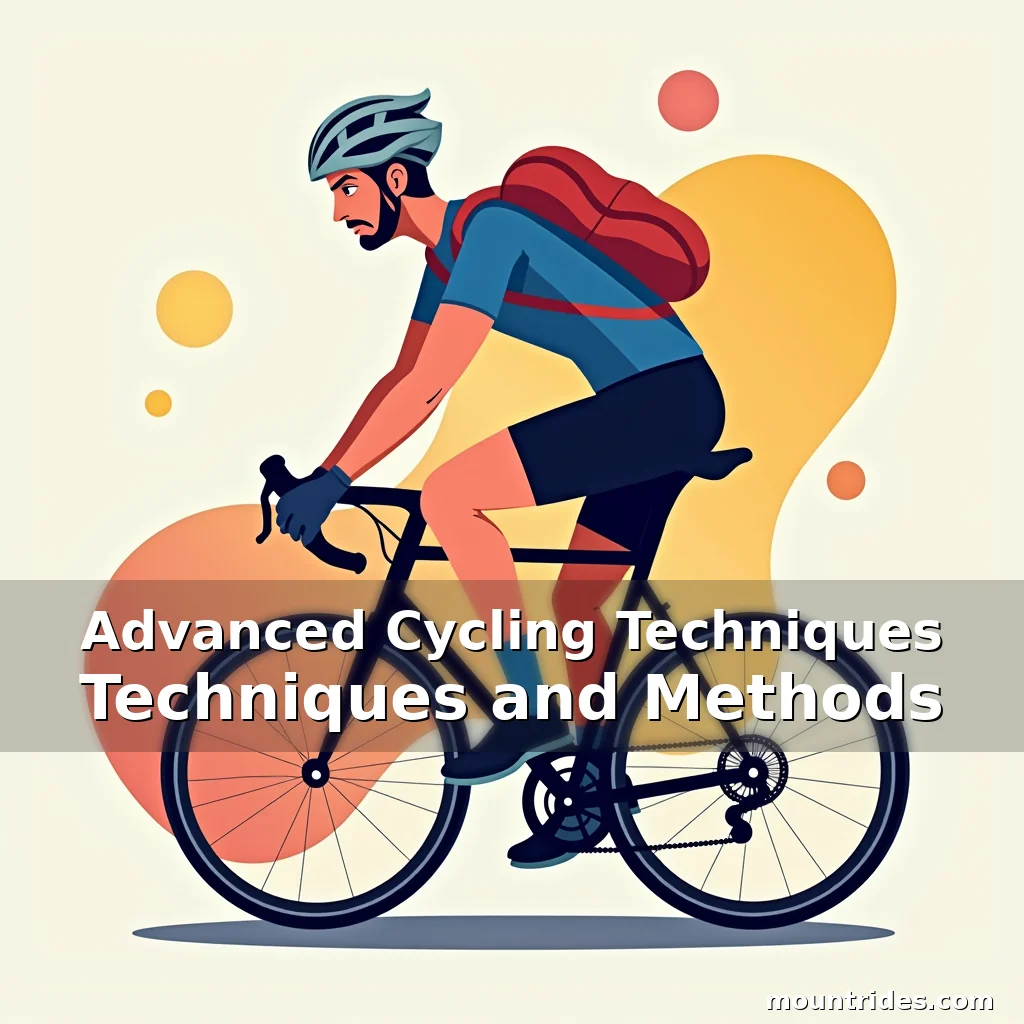
The Art of Mountain Cycling: Mastering Techniques for Every Terrain
Cycling through mountainous regions demands a unique blend of physical endurance, technical skill, and strategic foresight. Whether you’re a seasoned rider or just beginning your journey up the slopes, mastering these essential techniques can transform your experience from challenging to exhilarating.
This guide delves deep into advanced strategies tailored specifically for mountain biking enthusiasts who seek not only to conquer trails but also to refine their approach towards every ascent and descent. From gear selection to navigation tactics, we cover everything necessary for an enhanced ride.
Fundamental Riding Posture and Balance
Maintaining correct posture while riding uphill significantly impacts both efficiency and comfort during long climbs. A well-balanced position reduces fatigue by distributing weight evenly across your body, allowing smoother pedaling without unnecessary strain.
Your upper body should remain slightly leaned forward, keeping your arms relaxed yet firm enough to maintain control over handlebars at all times. This stance helps absorb shocks better when encountering rough patches along the trail.
- Lean Forward: Position yourself so that your torso is angled approximately ten degrees ahead of vertical; this aids in pushing power effectively down onto pedals.
- Elbow Placement: Keep elbows bent at around ninety degrees—this provides flexibility against unexpected bumps while maintaining grip strength on controls.
Proper foot placement plays another critical role in balance maintenance. Ensuring shoes are securely fastened within cleats allows full transfer of force
Cycling through mountainous regions demands a unique blend of physical endurance, technical skill, and strategic foresight. Whether you’re a seasoned rider or just beginning your journey up the slopes, mastering these essential techniques can transform your experience from challenging to exhilarating. This guide delves deep into advanced strategies tailored specifically for mountain biking enthusiasts who seek not only to conquer trails but also to refine their approach towards every ascent and descent. From gear selection to navigation tactics, we cover everything necessary for an enhanced ride. Maintaining correct posture while riding uphill significantly impacts both efficiency and comfort during long climbs. A well-balanced position reduces fatigue by distributing weight evenly across your body, allowing smoother pedaling without unnecessary strain. Your upper body should remain slightly leaned forward, keeping your arms relaxed yet firm enough to maintain control over handlebars at all times. This stance helps absorb shocks better when encountering rough patches along the trail. Proper foot placement plays another critical role in balance maintenance. Ensuring shoes are securely fastened within cleats allows full transfer of force generated by legs straight through bike frames efficiently. Balancing becomes even more crucial as terrain complexity increases. Practicing controlled movements such as shifting weights side-to-side helps stabilize oneself amidst unpredictable conditions found commonly in off-road environments. Selecting appropriate gears before starting any climb ensures optimal performance throughout ascents. Understanding how different ratios affect effort levels enables riders to tackle steep inclines with greater ease and less exhaustion. Gear ratio calculations involve dividing front chainring size by rear cassette cog sizes. Lower numbers mean easier climbing efforts whereas higher figures require more exertion due to increased resistance encountered per pedal revolution. Beginners often overlook adjusting gears according to changing elevations which leads them into situations where they either struggle too hard or coast unnecessarily downhill—an inefficient use of energy resources. Riders must learn when exactly it’s beneficial versus detrimental to change gears mid-climb based upon current speed, heart rate indicators, and perceived exertion levels measured via personal training metrics. A practical tip involves using lower gears initially until reaching desired pace then gradually moving upwards as stamina builds naturally over time rather than forcing immediate high-intensity output right away. Descending mountains requires precise braking methods to ensure safety amid high speeds achieved rapidly downwards. Knowing exactly when and how much pressure applies brakes prevents skidding issues caused by sudden stops or improper distribution of forces applied unevenly between wheels. Front brake usage needs careful calibration since excessive locking could lead directly toward loss-of-control scenarios particularly dangerous on loose surfaces typical among rocky descents. To achieve effective deceleration, apply gradual pressure first primarily through rear brakes followed closely behind by gently squeezing front ones once initial slowdown begins taking effect properly. Anticipatory skills play vital roles here—rider awareness regarding upcoming curves, drop-offs, or obstacles ahead determines successful implementation of timely interventions required safely navigating treacherous paths below. Practice sessions dedicated solely towards refining braking techniques enhance muscle memory development ensuring reflexive actions occur automatically whenever needed most critically during emergencies. Being equipped with strong navigational abilities enhances overall confidence levels during complex mountain rides where visibility might be limited due various environmental factors affecting sightlines considerably. Utilize maps combined with GPS devices preloaded with accurate trail data prior embarking journeys ensuring clear understanding about potential routes available plus possible detours should primary plans fail unexpectedly. Paying attention to natural landmarks such as distinctive rock formations, tree patterns, or water sources acts as alternative references useful especially when electronic systems malfunction temporarily or permanently. Developing route memorization capabilities proves advantageous particularly when repeating familiar paths regularly thus reducing reliance entirely upon external tools potentially failing under adverse weather conditions. Regular practice involving cross-country map reading exercises improves spatial orientation enhancing ability recognize changes occurring dynamically throughout landscapes traversed frequently. Incorporating interval training regimens boosts cardiovascular fitness enabling cyclists sustain longer durations comfortably without experiencing rapid depletion of stored energies reserves inside muscles tissues. Structured intervals consist alternating periods intense activity interspersed brief recovery phases helping rebuild aerobic capacity progressively overtime leading improved stamina outcomes consistently measurable through repeated assessments post each session completed successfully. Varying intensities according to individual goals whether aiming peak performances competing events or simply seeking general health benefits makes customization feasible matching personal requirements accurately regardless age group involved participating activities. Monitoring progress systematically via heart rate variability tests alongside subjective feedback collected daily assists fine-tuning programs accordingly achieving ideal results aligned precisely what users hope accomplish ultimately. Combining hill repeats with tempo rides creates balanced workout schedule promoting muscular adaptations simultaneously strengthening cardiac functions synergistically reinforcing holistic improvements applicable real-life situations faced routinely outdoors. Encountering technical sections necessitates specialized handling approaches designed specifically address challenges posed narrow passages, steep drops, or unstable ground beneath tires contacting surface irregularities constantly varying unpredictably. Assessing risk levels beforehand informs decisions made regarding equipment choices including tire widths suitable for terrain types expected encountered during expedition ensuring adequate traction maintained consistently throughout entire journey undertaken. Using wider tires offers superior stability advantages notably beneficial muddy trails increasing contact area thereby improving grip reliability despite wet slippery conditions common occurrences after heavy rainfall episodes. Approaching tricky areas cautiously maintains situational awareness allowing sufficient reaction times responding swiftly unforeseen hazards appearing suddenly disrupting planned course directions momentarily requiring quick adjustments executed proficiently avoiding accidents altogether. Practicing obstacle negotiation drills simulates realistic scenarios preparing mentally physically for actual encounters boosting self-assurance significantly lowering anxiety responses typically observed novices unfamiliar intricate complexities inherent such environments. Understanding local regulations governing trail usage preserves ecological integrity protecting delicate ecosystems thriving within designated boundaries established authorities responsible managing outdoor recreation spaces responsibly. Respecting wildlife habitats minimizes disturbances preserving natural behaviors undisturbed contributing positively conservation efforts aimed sustaining biodiversity rich landscapes cherished many generations past present future alike. Following marked paths avoids damaging vegetation unintentionally harming flora species dependent specific microhabitats created naturally over centuries forming integral components broader ecological networks supporting life everywhere imaginable. Keeping noise levels low respects other trail users enjoying solitude moments appreciated deeply individuals seeking escape urban chaos finding peace simplicity nature’s embrace offering therapeutic relief stress filled modern lifestyles. Always carry trash bags collecting litter discarded improperly preventing pollution spreading further endangering already vulnerable organisms struggling survive diminishing resources becoming increasingly scarce globally. Preparing adequately for emergency scenarios equips cyclists manage unexpected incidents confidently minimizing risks associated injuries resulting mishaps occurring remote locations lacking immediate medical assistance nearby. Carrying essential items like first aid kits containing bandages, antiseptics, pain relievers, and blister treatments ensures prompt care administered promptly mitigating severity complications arising minor wounds punctures encountered routine excursions. Knowing basic CPR procedures proves lifesaving knowledge potentially saving someone else’s life should serious accident happen unexpectedly creating urgency situation demanding swift action taken correctly following standard protocols strictly adhered meticulously. Informing others about intended routes schedules increases chances receiving help quickly should problems arise isolated areas unreachable easily without additional support provided remotely through communication channels utilized effectively ahead time. Checking weather forecasts thoroughly guarantees preparedness against severe storms capable transforming manageable outings hazardous experiences threatening personal safety wellbeing irreparably damaged permanently. Regular upkeep routines prolong lifespan machinery significantly decreasing likelihood mechanical failures causing interruptions disrupting enjoyment derived continuous engagement favorite hobby pursued passionately relentlessly pursuing excellence always striving better versions ourselves continually evolving ever-adapting pursuits. Inspecting drivetrain components weekly identifies wear signs early permitting replacements performed proactively before breakdowns occur unexpectedly spoiling perfect days turned sour abruptly due preventable negligence overlooked previously ignored seemingly insignificant details later regretted dearly afterwards. Lubricating chains monthly maintains smooth operation preventing rust corrosion accumulating moisture trapped joints susceptible degradation accelerated exposure elements harsh weather conditions prevalent mountainous regions characterized frequent precipitation cycles impacting metal parts negatively unless protected sufficiently beforehand.The Art of Mountain Cycling: Mastering Techniques for Every Terrain
Fundamental Riding Posture and Balance
Optimizing Gear Ratios for Uphill Climb Efficiency
Mastering Braking Strategies on Steep Descent Trails
Navigational Skills for Off-Road Adventures
Building Endurance Through Interval Training Programs
Techniques for Navigating Technical Sections Safely
Environmental Awareness and Trail Etiquette
Emergency Preparedness and Safety Measures
Equipment Maintenance Tips for Long-Term Performance