
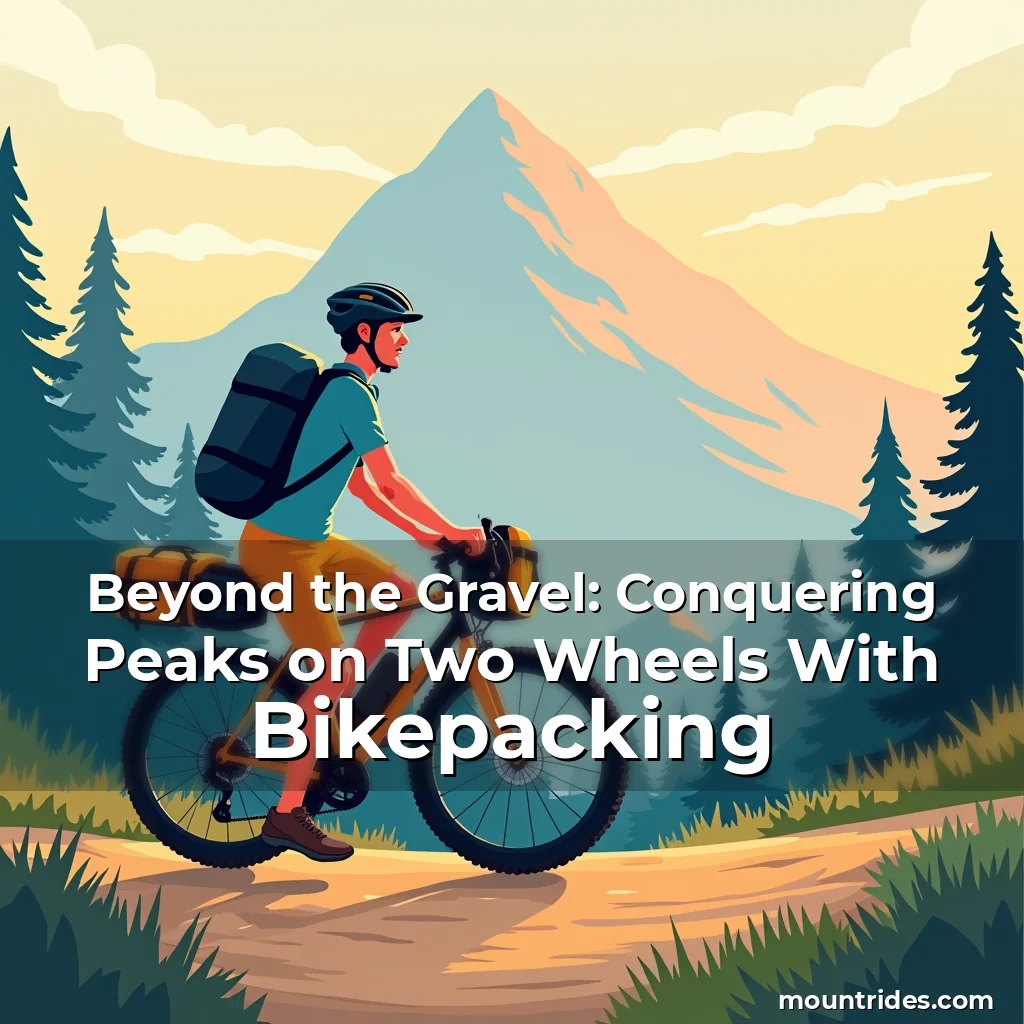
Beyond the Gravel: Conquering Peaks on Two Wheels With Bikepacking
Bikepacking is the ultimate fusion of cycling and backpacking, designed for adventurers who crave rugged terrain, self-reliance, and uncharted journeys. It transforms ordinary bikes into expedition-ready machines, letting riders explore remote landscapes far beyond paved roads.
This guide delves into the world of bikepacking, revealing why it’s becoming a cornerstone activity for serious cyclists and mountain lovers alike. From gear essentials to trail etiquette, we cover everything you need to ride confidently into the wild.
The Essence of Bikepacking
Bikepacking strips away the comforts of traditional camping and replaces them with a mobile, minimalist experience. Riders carry all their supplies on their bicycles, navigating diverse environments ranging from dense forests to arid deserts.
Unlike conventional touring, bikepacking often involves off-road travel over uneven trails, requiring specialized equipment and physical endurance. This form of adventure demands adaptability and a deep respect for nature’s unpredictability.
Riders typically use modified mountain bikes equipped with racks, fenders, and panniers to transport gear safely. These adaptations allow carrying sleeping bags, cooking kits, and emergency supplies across long distances.
- Lightweight design: Bikepacking packs weigh less than standard camping setups due to compact storage solutions and ultralight materials.
- Flexibility: Routes change daily depending on weather conditions, wildlife encounters, and trail closures, demanding spontaneous decision-making skills.
Evolving Gear Technology for Modern Trail Blazers
Innovative gear development has revolutionized bikepacking, enabling safer and more comfortable journeys. High-performance components now balance durability with weight efficiency, catering to extreme conditions encountered on remote trails.
Modern bikes feature integrated cargo systems that distribute weight evenly, reducing strain during climbs and descents. Pannier bags come with waterproof compartments and quick-release mechanisms for easy access in emergencies.
Advancements in Cycling Clothing
Specialty apparel includes moisture-wicking fabrics, UV protection layers, and convertible jackets that transition seamlessly from day hikes to nighttime camps. Breathable materials prevent overheating during intense exertion.
Clothing innovations extend to gloves with enhanced grip, helmets with ventilation systems, and boots designed for both pedaling comfort and ankle support on rocky paths.
Mental Preparedness: The Unsung Hero of Bikepacking
Physical strength alone won’t guarantee success; mental resilience plays a pivotal role in overcoming isolation, fatigue, and unexpected obstacles. Preparing mentally ensures calm responses to high-stress situations like sudden storms or mechanical failures.
Developing problem-solving agility helps navigate detours caused by washed-out bridges or impassable trails. Mental conditioning also aids in managing limited resources, such as rationing food supplies wisely.
Practicing mindfulness techniques improves focus during long hours on the saddle. Meditation exercises performed before departure reduce anxiety about potential dangers ahead.
- Stress management: Incorporate breathing exercises and visualization practices into pre-trip routines for better emotional control.
- Adaptability mindset: Expect changes in plans and view them as opportunities rather than setbacks.
Mastering Route Selection and Map Reading Skills
Selecting suitable routes involves analyzing topographical maps, assessing elevation gains/losses, and identifying water sources along the path. Digital mapping apps offer real-time updates on road closures and weather advisories.
Understanding contour lines reveals steep inclines that may require extra energy expenditure. Prioritize trails with gentle gradients for longer stretches of continuous riding without excessive fatigue buildup.
Digital navigation devices complement paper charts by providing GPS tracking capabilities. Familiarize yourself with offline map features in case cellular connectivity fails unexpectedly.
Navigational Tools for Off-Road Travel
Compass usage becomes vital when electronic signals fade or batteries die. Learn basic orienteering techniques to read landscape features accurately without relying solely on digital interfaces.
Sun position awareness assists in determining cardinal directions during daylight hours. Cloud patterns and animal behavior can indicate approaching inclement weather long before visible signs appear.
Fueling Performance: Nutrition Strategies for Long Days
Adequate nutrition sustains stamina levels throughout extended periods of physical activity. Carbohydrates fuel immediate energy needs, while proteins repair muscle tissues damaged during rigorous exertion.
Pack calorie-dense snacks that combine healthy fats with complex carbohydrates for sustained release. Avoid sugary treats that cause rapid energy spikes followed by crashes later in the day.
Hydration strategies vary based on environmental factors. In hot climates, increase fluid intake frequency despite feeling thirsty; dehydration sets in slowly until symptoms become severe.
- Meal timing: Eat regular meals spaced approximately three hours apart to maintain steady glucose levels in bloodstream.
- Caloric targets: Aim for 400-600 calories consumed hourly during peak activity phases to prevent exhaustion early on.
Environmental Stewardship While Exploring Wilderness Areas
Responsible exploration preserves natural habitats undisturbed by human impact. Adhering to Leave No Trace principles minimizes ecological disruption while enjoying untouched beauty found only in remote locations.
Dispose of waste properly by packing out trash completely. Never leave behind any litter including biodegradable items like fruit peels which decompose slowly outdoors.
Protect sensitive ecosystems by staying on designated trails. Venturing off-path damages fragile plant life and increases erosion risks in vulnerable areas.
- Wildlife interaction: Maintain distance from animals observed naturally feeding or resting; do not attempt handouts or feedings.
- Fire regulations: Follow local burn bans strictly; use portable stoves instead of open flames near dry vegetation zones.
Community Engagement and Shared Experiences
Joining local bikepacking groups fosters camaraderie through shared adventures. Group rides enhance safety benefits significantly compared to solo excursions where assistance might arrive late in crises.
Participating in organized events exposes participants to new regions explored by experienced guides. These gatherings promote skill-sharing sessions focused on advanced navigation techniques and rescue procedures.
Online forums serve as platforms for exchanging route recommendations, gear reviews, and weather forecasts relevant to upcoming expeditions planned months ahead.
Conclusion
Bikepacking offers unparalleled freedom to traverse vast wilderness expanses with minimal environmental footprint. Its blend of athleticism, resourcefulness, and appreciation for natural wonders makes it uniquely rewarding for those seeking true adventure.
To begin your journey, invest in quality gear suited for expected conditions, study selected routes thoroughly, and join fellow explorers willing to share knowledge gained from years spent mastering this dynamic pursuit.

news is a contributor at MountRides. We are committed to providing well-researched, accurate, and valuable content to our readers.


