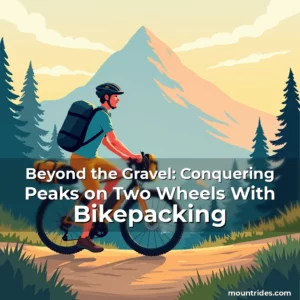

Beyond the Trail: Mastering the Art of Bikepacking Through Remote Terrain
In a world increasingly defined by digital connectivity, bikepacking offers a rare opportunity to disconnect from technology and reconnect with nature. Unlike traditional cycling, this adventure sport combines self-sufficiency with off-road exploration, inviting riders to traverse rugged landscapes carrying their own supplies and shelter. As communities like mountRides grow passionate about outdoor experiences, bikepacking stands out as both a challenge and a gateway to uncharted wilderness.
The essence of bikepacking lies in its ability to transform simple travel into profound journeys. With minimalistic gear packed onto a lightweight bicycle, adventurers embark on multi-day trips that test endurance, navigation skills, and resilience. Whether navigating mountain passes or crossing remote valleys, the experience reshapes perceptions of mobility and personal capability.
Redefining Adventure: What Makes Bikepacking Unique?
Bikepacking distinguishes itself through its emphasis on simplicity and adaptability. While road cyclists rely on paved infrastructure, bikepackers embrace unpaved paths, gravel roads, and even dirt trails. This shift demands specialized equipment designed for rough terrain while maintaining agility and speed. A typical setup includes a sturdy frame, wide tires for stability, and integrated storage solutions for transporting essentials.
At its core, bikepacking is about freedom—the freedom to choose your path, pace, and destination. Unlike structured tours, this pursuit allows complete autonomy over itinerary decisions. Riders often map out routes based on seasonal conditions, weather forecasts, and personal fitness levels. This flexibility makes it accessible to diverse demographics seeking meaningful outdoor experiences.
- Self-Sufficiency: Carrying food, water, and emergency gear transforms each journey into a survival exercise, fostering resourcefulness and problem-solving abilities.
- Environmental Connection: Minimal impact practices become second nature, promoting awareness of ecological footprints during adventures.
The Essential Kit: Building Your Bikepacking Arsenal
A well-thought-out kit is crucial for successful long-distance biking expeditions. Core components include a durable backpack system capable of holding hydration packs, sleeping bags, and cooking utensils. Modern designs prioritize comfort through ergonomic shapes and breathable materials that prevent discomfort during extended rides.
Specialized accessories elevate functionality beyond basic necessities. Front-mounted racks allow secure attachment of tents or tarps, while side bags offer quick access to frequently used items. Integrated lighting systems ensure visibility during early morning starts or late evening returns, enhancing safety in low-light environments.
Smart Packing Strategies
Efficient packing minimizes weight while maximizing utility. Using compression sacks keeps belongings organized yet compact, reducing strain on shoulders and back muscles. Prioritizing multi-use tools—like a foldable camp stove that doubles as a kitchen utensil set—maximizes space efficiency without compromising convenience.
Distribution of weight plays a critical role in ride stability. Heavier items should rest closer to the center of gravity, ideally near the rider’s torso area. Proper balance prevents wobbling on uneven surfaces and reduces fatigue over prolonged periods of riding.
Choosing Routes: Mapping the Unexplored Pathways
Selecting optimal routes requires research into regional topography, trail difficulty ratings, and local regulations regarding overnight stays. Digital mapping platforms now feature detailed contour lines showing elevation changes, helping plan realistic daily mileage goals. Cross-referencing these maps with firsthand accounts from experienced bikers ensures accurate expectations.
Seasonal variations significantly influence route viability. Spring thaw may render certain alpine passages impassable due to mudslides, whereas autumn brings clearer skies ideal for high-altitude traversals. Understanding these patterns enables safer planning cycles aligned with natural rhythms rather than arbitrary calendars.
Safety First: Preparing for Emergencies On-The-Ride
Emergency preparedness forms the backbone of responsible bikepacking. Every expedition should carry a first aid kit containing bandages, antiseptic wipes, blister treatments, and medications tailored to individual health needs. Additionally, communication devices such as satellite phones or GPS trackers provide vital links to rescue services when cellular networks fail in remote zones.
Navigational proficiency proves indispensable when detours occur unexpectedly. Studying topographic maps before departure equips travelers with spatial awareness that electronic guides sometimes lack. Learning to read landforms—such as river bends indicating directionality—enhances orientation skills critical during power failures or lost signals.
Training Regimen: Conditioning for Long-Distance Rides
Cultivating stamina becomes non-negotiable prior to embarking on significant bikepacking ventures. Weekly routines incorporating hill climbs simulate real-world inclines encountered en route. Interval training sessions alternate between intense bursts of pedaling followed by recovery intervals, improving cardiovascular capacity necessary for sustained effort over days.
Muscle conditioning focuses specifically on lower body strength development. Exercises targeting quadriceps, hamstrings, and glutes prepare joints for continuous motion across varied terrains. Incorporating resistance bands into workouts enhances muscular endurance without requiring extensive gym facilities.
Eco-Conscious Travel: Minimizing Impact While Exploring
Responsible tourism principles guide ethical bikepacking practices. Adhering to Leave No Trace guidelines ensures minimal disruption to ecosystems visited along the way. This includes packing out waste entirely, avoiding sensitive habitats, and respecting wildlife boundaries established by conservation efforts.
Sustainable choices extend beyond immediate surroundings. Opting for biodegradable cleaning products protects water sources from chemical contamination. Choosing eco-friendly accommodations whenever possible supports local economies while preserving cultural heritage sites integral to many scenic routes.
Community Engagement: Connecting With Fellow Adventurers
Participation in online forums fosters knowledge exchange among enthusiasts worldwide. Platforms dedicated solely to bikepacking discussions serve dual purposes: sharing route reviews and troubleshooting technical issues related to gear maintenance. Such interactions cultivate camaraderie transcending geographical barriers.
Local meetups organize group treks offering collective support systems. These gatherings facilitate skill-building workshops covering advanced techniques like night navigation or wilderness first response scenarios. Collaborative learning accelerates mastery curves compared to solo experimentation methods alone.
Overcoming Challenges: Mental Resilience During Extended Journeys
Prolonged isolation tests psychological fortitude differently than conventional sports activities. Establishing mental checkpoints—small milestones achieved daily—maintains motivation levels amidst uncertainty. Journal entries documenting progress provide tangible evidence reinforcing accomplishments made throughout the journey.
Managing solitude requires deliberate strategies. Engaging in solitary mindfulness exercises such as breathing meditations counteracts feelings of loneliness. Listening to curated playlists featuring ambient sounds mimics social presence, creating auditory companionship absent actual human contact.
Future Trends In Bikepacking Technology And Practices
Advancements in carbon fiber composites promise lighter frames without sacrificing durability. Innovations in tire design enhance grip capabilities on loose surfaces, expanding viable terrain options available to cyclists. Smart textiles embedded with temperature-regulating properties adjust insulation according to environmental fluctuations automatically.
Virtual reality simulations train navigators virtually before real-world excursions commence. Augmented overlays superimpose digital markers onto physical landscapes, guiding users intuitively through complex routing decisions previously requiring memorization of paper maps. These technologies democratize expertise traditionally reserved for seasoned professionals.
Conclusion
Bikepacking emerges as more than just another recreational activity—it represents a holistic approach to living deliberately within natural settings. By embracing simplicity, mastering survival skills, and cultivating respect towards environment, participants forge transformative relationships with both themselves and surrounding landscapes.
To begin your own journey, invest in quality gear suited to planned routes, study potential destinations thoroughly, and join local groups for shared learning opportunities. Remember, true fulfillment comes not merely from reaching destinations but experiencing everything uniquely offered along the path chosen.

news is a contributor at MountRides. We are committed to providing well-researched, accurate, and valuable content to our readers.