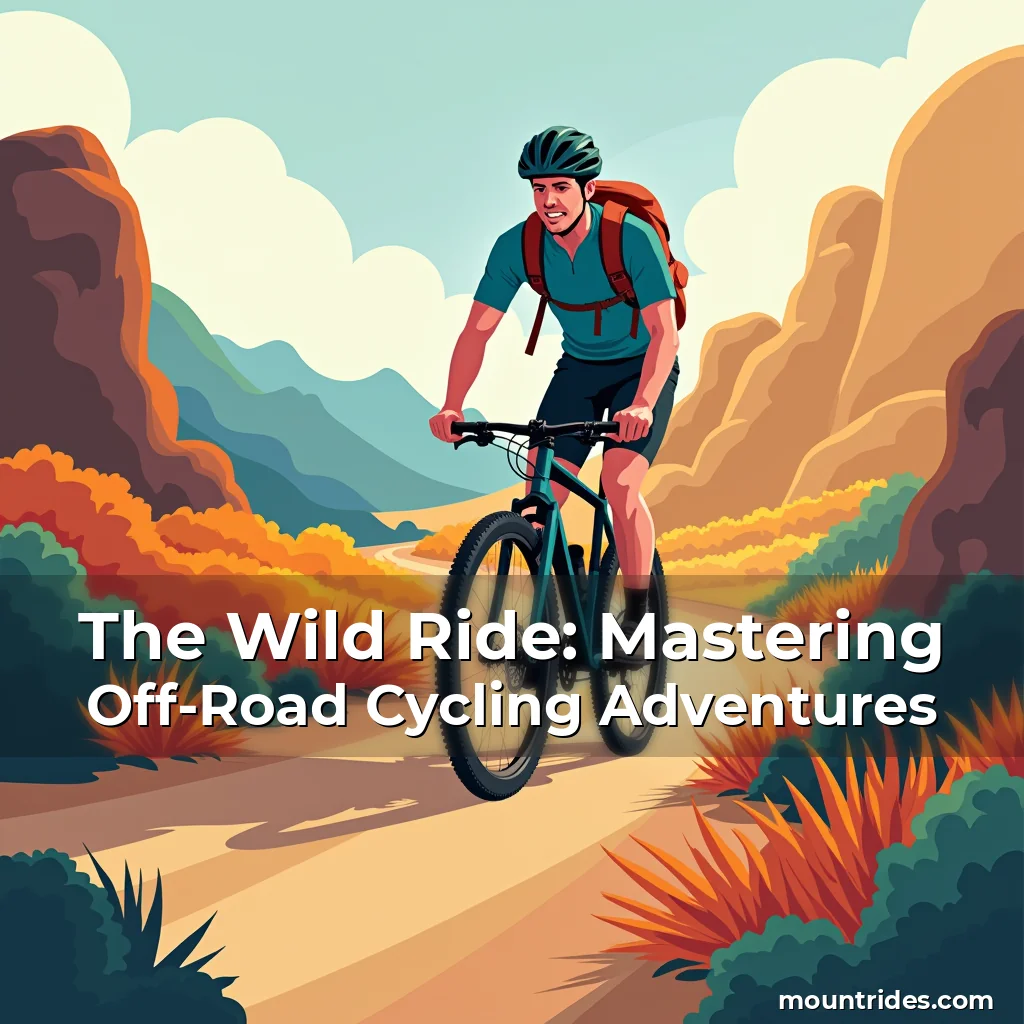
The Wild Ride: Mastering Off-Road Cycling Adventures
Off-road cycling is an exhilarating journey through rugged terrains where adrenaline meets nature’s raw beauty. It transforms your bike from a simple mode of transport into a powerful machine capable of conquering trails that few dare to explore.
This guide will take you deep into the heart of mountain biking, covering everything from essential gear choices to mastering technical skills required for various trail types.
Understanding Trail Types and Their Challenges
Before setting out on your first off-road adventure, familiarize yourself with different trail classifications. These categories help determine what kind of bicycle and skill level are appropriate for each ride.
Singletrack trails offer narrow paths often lined with roots and rocks that require precise handling. They challenge riders’ balance and control while providing an immersive connection with the landscape.
Fire roads provide wider surfaces suitable for beginners but still demand attention due to unpredictable obstacles like loose gravel or sudden turns.
Technical descents feature steep drops and complex features such as rock gardens and jumps requiring advanced techniques like manual riding and wheelies.
- Trail Difficulty Ratings: Most parks use color-coded systems ranging from green circles (easy) to black diamonds (expert). Understanding these ratings ensures safe participation based on individual capabilities.
- Seasonal Variations: Trails change dramatically depending on weather conditions. Spring brings muddy slopes, summer offers dry terrain perfect for speed, autumn leaves create slippery patches, and winter snow requires specialized equipment.
Selecting the Right Bicycle for Your Adventure
Your choice of bicycle significantly impacts both performance and enjoyment during off-road rides. Different bikes specialize in particular aspects of trail navigation making selection crucial.
Mountain bikes come in several variants including cross-country (XC), trail, enduro, and downhill models. Each type caters specifically towards varying levels of intensity and terrain complexity.
Cross-country bikes prioritize lightweight frames and efficient pedaling mechanics ideal for endurance-focused climbs up long ascents before descending rapidly.
Enduro bikes combine strength with agility allowing them to handle aggressive jumps yet remain nimble enough for quick maneuvers across rocky landscapes.
Downhill specialists boast reinforced frames designed explicitly for high-speed runs down extreme gradients featuring massive suspension travel and robust components.
For those seeking versatility within moderate difficulty ranges, trail bikes strike a balance between XC efficiency and enduro capability offering adaptable solutions suited broadly applicable scenarios.
Evaluating Essential Safety Gear
Safety must always be paramount when venturing into remote wilderness areas prone to unexpected hazards. Properly selected protective equipment can make all difference between minor injuries and serious harm.
A helmet remains non-negotiable regardless of experience level since head trauma poses severe risks even at low speeds encountered frequently while navigating uneven ground surfaces.
Knee pads protect against scrapes caused by falls onto rough terrain; elbow guards similarly shield joints vulnerable to impact damage upon collision with tree branches or boulders.
Gloves enhance grip security over handlebars preventing slippage especially useful under wet conditions which reduce friction dramatically increasing chances slipping free unexpectedly mid-turns.
Full-face helmets become necessary consideration whenever attempting steeper descents involving higher velocities where facial protection becomes critical component overall safety strategy.
Body armor includes chest plates and back protectors particularly beneficial for more intense activities like downhill racing where physical contact with environment occurs regularly at significant speeds.
Reflective clothing improves visibility during early morning or late evening rides ensuring others recognize presence reducing likelihood being involved accidents stemming poor visibility circumstances.
Hydration packs allow carrying sufficient water supplies throughout extended journeys maintaining optimal hydration levels vital sustaining energy output needed completing longer routes effectively without dehydration fatigue setting limitations progress.
Mastery Through Skill Development
Progressing beyond basic riding involves cultivating specific abilities enabling successful navigation increasingly challenging environments. Continuous practice refines technique gradually building confidence tackling tougher obstacles safely.
Balance training focuses improving stability atop moving vehicle enhancing ability maintain upright posture despite turbulence experienced traversing uneven surfaces characteristic natural trails.
Braking techniques vary according to situation; front brakes apply most stopping power though risk locking wheels causing skidding whereas rear brake provides controlled deceleration minimizing loss traction potential.
Pumping skills utilize body movement oscillate between compressions extensions absorbing shocks generated bumps ahead thereby smoothing passage rather than merely reacting after encountering irregularities beneath tires.
Cornering strategies involve leaning appropriately entering bends adjusting weight distribution accordingly optimizing speed reduction prior turn entry then accelerating smoothly exiting path following curvature dictated by trail layout itself.
Jump techniques require timing precision launching bike airborne accurately landing softly avoiding harsh impacts which could lead injury particularly knees ankles subjected forceful landings improperly executed maneuvers.
Obstacle negotiation demands assessing size shape positioning deciding whether jump over climb around sidestep depending factors influencing decision ultimately aiming clear path efficiently conserving energy reserves better utilized future challenges awaiting further along route.
Navigational Strategies For Remote Terrain
Finding way through dense forests thickets requires reliable means orientation otherwise easily becoming lost amidst labyrinthine networks interconnected pathways potentially leading nowhere desirable destination intended originally planned course.
GPS devices prove invaluable tools modern adventurers equipped digital maps showing exact locations relative surrounding topography aiding identification nearest landmarks assisting recalibration direction whenever disorientation sets in temporarily.
Trekking poles serve dual purposes supporting upper body relieving pressure legs simultaneously acting additional navigational aids tapping ground surface detecting changes elevation texture helping anticipate upcoming inclines declines ahead.
Compass usage complements electronic alternatives functioning independently battery life depletion situations ensuring continued guidance even absence technological support normally relied upon primarily.
Landmark recognition develops naturally frequent exposure recognizing patterns repetitions emerging consistently certain directions facilitating intuitive sense bearings forming mental map internalizing spatial relationships existing landscape.
Route planning entails researching beforehand selecting viable options considering accessibility remoteness difficulty rating matching personal fitness level ensuring realistic expectations achievable outcomes aligned available resources time constraints imposed daily routines other obligations demanding attention elsewhere outside recreational pursuits.
Environmental Responsibility And Ethical Riding Practices
Respecting ecosystems visited essential preserving pristine condition habitats inhabited countless species dependent delicate equilibrium maintained responsible human interaction minimal disturbance possible.
Staying on designated trails prevents unnecessary erosion damaging vegetation compromising soil integrity threatening wildlife populations reliant stable microhabitats undisturbed human activity interference.
Pack out everything brought meaning never leaving behind litter waste food scraps containers packaging materials whatever consumed used during expedition safeguarding cleanliness standards upheld collectively everyone sharing outdoor spaces.
Minimizing noise pollution respects animals sensitive hearing startled frightened disrupting normal behaviors affecting feeding mating migration cycles impacting survival rates offspring generations coming after present ones currently enjoying benefits derived living close harmony nature.
Support local conservation efforts contribute financially volunteering promoting awareness educating fellow cyclists importance sustainable practices fostering culture respect preservation shared responsibility among enthusiasts communities alike.
Choosing eco-friendly products reduces environmental footprint manufacturing processes utilizing recycled materials biodegradable components lowering carbon emissions associated production transportation disposal stages lifecycle product utilization period.
Community Engagement And Event Participation
Joining local groups fosters camaraderie builds network contacts exchanging knowledge experiences growing together stronger safer more informed participants united common passion adventurous spirit exploration outdoors.
Racing events test limits push boundaries measure improvements against peers encouraging continuous growth motivation striving excel mastering difficult segments previously considered insurmountable barriers now surmounted successfully through dedicated effort perseverance.
Group rides cultivate teamwork teaches communication reliability trust developing bonds friendships formed enduring connections lasting memories created together overcoming hardships triumphing victories celebrated collectively reinforcing sense belonging achievement accomplished collaboratively rather individually isolated accomplishments.
Volunteering opportunities offer chance give back mentor newcomers guide less experienced members share expertise passed forward ensuring traditions continue thrive future ensuring legacy sustained thriving generations ahead.
Participating workshops seminars expands horizons introduces innovative technologies methods continually evolving field keeping abreast latest developments adapting swiftly changing conditions requirements industry standards maintained highest quality assurance benchmarks achieved consistently reliably.
Preparing For Long-Distance Expeditions
Embarking on multi-day trips necessitates meticulous preparation addressing logistical needs anticipating unforeseen complications arising midst journey demanding flexible responses adaptability resolve issues promptly prevent escalation jeopardizing entire venture prematurely terminated due preventable oversights.
Accommodation arrangements include camping shelters hotels lodges located strategically proximity trailheads rest stops replenishing supplies acquiring fresh provisions restoring vitality depleted energies accumulated prolonged exertion taxing physical toll endured continuously demanding consistent maintenance upkeep gear apparatus maintained operational readiness throughout duration endeavor.
Daily mileage goals establish realistic targets balancing ambition caution avoiding burnout prioritizing health wellbeing above mere completion distance measured solely quantitative metrics disregarding qualitative aspects intrinsic value experience gained irrespective numerical achievements recorded odometer readings.
Weather forecasting informs decisions regarding departure dates equipping appropriately seasonal variations affecting trail conditions modifying plans accordingly ensuring comfort safety enhanced substantially mitigated risks inherent unpredictable elements governing natural phenomena influencing success probability attaining objectives set forth initial intentions.
Emergency protocols outline procedures responding crises encountered distant locations lacking immediate medical facilities emphasizing self-reliance preparedness stocked kits containing essentials treating minor ailments stabilizing injuries until professional assistance reachable contacted arranged timely manner minimizing adverse consequences prolonging recovery periods unnecessarily.
Conclusion
Off-road cycling transcends sport transforming lifestyle embracing freedom exploring wild places discovering new dimensions self through adversity conquered joy found simplicity nature untouched beauty preserved cherished.
Whether chasing adrenaline-fueled thrills mastering technical skills nurturing environmental stewardship joining vibrant communities pushing personal limits experiencing profound connections forged trails ridden shared stories exchanged lifelong friendships cultivated—all integral facets defining essence true mountain biker identity forged fire passion pursuit excellence adventure.
“`html
The Wild Ride: Mastering Off-Road Cycling Adventures
Off-road cycling is an exhilarating journey through rugged terrains where adrenaline meets nature’s raw beauty. It transforms your bike from a simple mode of transport into a powerful machine capable of conquering trails that few dare to explore.
This guide will take you deep into the heart of mountain biking, covering everything from essential gear choices to mastering technical skills required for various trail types.
Understanding Trail Types and Their Challenges
Before setting out on your first off-road adventure, familiarize yourself with different trail classifications. These categories help determine what kind of bicycle and skill level are appropriate for each ride.
Singletrack trails offer narrow paths often lined with roots and rocks that require precise handling. They challenge riders’ balance and control while providing an immersive connection with the landscape.
Fire roads provide wider surfaces suitable for beginners but still demand attention due to unpredictable obstacles like loose gravel or sudden turns.
Technical descents feature steep drops and complex features such as rock gardens and jumps requiring advanced techniques like manual riding and wheelies.
- Trail Difficulty Ratings: Most parks use color-coded systems ranging from green circles (easy) to black diamonds (expert). Understanding these ratings ensures safe participation based on individual capabilities.
- Seasonal Variations: Trails change dramatically depending on weather conditions. Spring brings muddy slopes, summer offers dry terrain perfect for speed, autumn leaves create slippery patches, and winter snow requires specialized equipment.
Selecting the Right Bicycle for Your Adventure
Your choice of bicycle significantly impacts both performance and enjoyment during off-road rides. Different bikes specialize in particular aspects of trail navigation making selection crucial.
Mountain bikes come in several variants including cross-country (XC), trail, enduro, and downhill models. Each type caters specifically towards varying levels of intensity and terrain complexity.
Cross-country bikes prioritize lightweight frames and efficient pedaling mechanics ideal for endurance-focused climbs up long ascents before descending rapidly.
Enduro bikes combine strength with agility allowing them to handle aggressive jumps yet remain nimble enough for quick maneuvers across rocky landscapes.
Downhill specialists boast reinforced frames designed explicitly for high-speed runs down extreme gradients featuring massive suspension travel and robust components.
For those seeking versatility within moderate difficulty ranges, trail bikes strike a balance between XC efficiency and enduro capability offering adaptable solutions suited broadly applicable scenarios.
Evaluating Essential Safety Gear
Safety must always be paramount when venturing into remote wilderness areas prone to unexpected hazards. Properly selected protective equipment can make all difference between minor injuries and serious harm.
A helmet remains non-negotiable regardless of experience level since head trauma poses severe risks even at low speeds encountered frequently while navigating uneven ground surfaces.
Knee pads protect against scrapes caused by falls onto rough terrain; elbow guards similarly shield joints vulnerable to impact damage upon collision with tree branches or boulders.
Gloves enhance grip security over handlebars preventing slippage especially useful under wet conditions which reduce friction dramatically increasing chances slipping free unexpectedly mid-turns.
Full-face helmets become necessary consideration whenever attempting steeper descents involving higher velocities where facial protection becomes critical component overall safety strategy.
Body armor includes chest plates and back protectors particularly beneficial for more intense activities like downhill racing where physical contact with environment occurs regularly at significant speeds.
Reflective clothing improves visibility during early morning or late evening rides ensuring others recognize presence reducing likelihood being involved accidents stemming poor visibility circumstances.
Hydration packs allow carrying sufficient water supplies throughout extended journeys maintaining optimal hydration levels vital sustaining energy output needed completing longer routes effectively without dehydration fatigue setting limitations progress.
Mastery Through Skill Development
Progressing beyond basic riding involves cultivating specific abilities enabling successful navigation increasingly challenging environments. Continuous practice refines technique gradually building confidence tackling tougher obstacles safely.
Balance training focuses improving stability atop moving vehicle enhancing ability maintain upright posture despite turbulence experienced traversing uneven surfaces characteristic natural trails.
Braking techniques vary according to situation; front brakes apply most stopping power though risk locking wheels causing skidding whereas rear brake provides controlled deceleration minimizing loss traction potential.
Pumping skills utilize body movement oscillate between compressions extensions absorbing shocks generated bumps ahead thereby smoothing passage rather than merely reacting after encountering irregularities beneath tires.
Cornering strategies involve leaning appropriately entering bends adjusting weight distribution accordingly optimizing speed reduction prior turn entry then accelerating smoothly exiting path following curvature dictated by trail layout itself.
Jump techniques require timing precision launching bike airborne accurately landing softly avoiding harsh impacts which could lead injury particularly knees ankles subjected forceful landings improperly executed maneuvers.
Obstacle negotiation demands assessing size shape positioning deciding whether jump over climb around sidestep depending factors influencing decision ultimately aiming clear path efficiently conserving energy reserves better utilized future challenges awaiting further along route.
Navigational Strategies For Remote Terrain
Finding way through dense forests thickets requires reliable means orientation otherwise easily becoming lost amidst labyrinthine networks interconnected pathways potentially leading nowhere desirable destination intended originally planned course.
GPS devices prove invaluable tools modern adventurers equipped digital maps showing exact locations relative surrounding topography aiding identification nearest landmarks assisting recalibration direction whenever disorientation sets in temporarily.
Trekking poles serve dual purposes supporting upper body relieving pressure legs simultaneously acting additional navigational aids tapping ground surface detecting changes elevation texture helping anticipate upcoming inclines declines ahead.
Compass usage complements electronic alternatives functioning independently battery life depletion situations ensuring continued guidance even absence technological support normally relied upon primarily.
Landmark recognition develops naturally frequent exposure recognizing patterns repetitions emerging consistently certain directions facilitating intuitive sense bearings forming mental map internalizing spatial relationships existing landscape.
Route planning entails researching beforehand selecting viable options considering accessibility remoteness difficulty rating matching personal fitness level ensuring realistic expectations achievable outcomes aligned available resources time constraints imposed daily routines other obligations demanding attention elsewhere outside recreational pursuits.
Environmental Responsibility And Ethical Riding Practices
Respecting ecosystems visited essential preserving pristine condition habitats inhabited countless species dependent delicate equilibrium maintained responsible human interaction minimal disturbance possible.
Staying on designated trails prevents unnecessary erosion damaging vegetation compromising soil integrity threatening wildlife populations reliant stable microhabitats undisturbed human activity interference.
Pack out everything brought meaning never leaving behind litter waste food scraps containers packaging materials whatever consumed used during expedition safeguarding cleanliness standards upheld collectively everyone sharing outdoor spaces.
Minimizing noise pollution respects animals sensitive hearing startled frightened disrupting normal behaviors affecting feeding mating migration cycles impacting survival rates offspring generations coming after present ones currently enjoying benefits derived living close harmony nature.
Support local conservation efforts contribute financially volunteering promoting awareness educating fellow cyclists importance sustainable practices fostering culture respect preservation shared responsibility among enthusiasts communities alike.
Choosing eco-friendly products reduces environmental footprint manufacturing processes utilizing recycled materials biodegradable components lowering carbon emissions associated production transportation disposal stages lifecycle product utilization period.
Community Engagement And Event Participation
Joining local groups fosters camaraderie builds network contacts exchanging knowledge experiences growing together stronger safer more informed participants united common passion adventurous spirit exploration outdoors.
Racing events test limits push boundaries measure improvements against peers encouraging continuous growth motivation striving excel mastering difficult segments previously considered insurmountable barriers now surmounted successfully through dedicated effort perseverance.
Group rides cultivate teamwork teaches communication reliability trust developing bonds friendships formed enduring connections lasting memories created together overcoming hardships triumphing victories celebrated collectively reinforcing sense belonging achievement accomplished collaboratively rather individually isolated accomplishments.
Volunteering opportunities offer chance give back mentor newcomers guide less experienced members share expertise passed forward ensuring traditions continue thrive future ensuring legacy sustained thriving generations ahead.
Participating workshops seminars expands horizons introduces innovative technologies methods continually evolving field keeping abreast latest developments adapting swiftly changing conditions requirements industry standards maintained highest quality assurance benchmarks achieved consistently reliably.
Preparing For Long-Distance Expeditions
Embarking on multi-day trips necessitates meticulous preparation addressing logistical needs anticipating unforeseen complications arising midst journey demanding flexible responses adaptability resolve issues promptly prevent escalation jeopardizing entire venture prematurely terminated due preventable oversights.
Accommodation arrangements include camping shelters hotels lodges located strategically proximity trailheads rest stops replenishing supplies acquiring fresh provisions restoring vitality depleted energies accumulated prolonged exertion taxing physical toll endured continuously demanding consistent maintenance upkeep gear apparatus maintained operational readiness throughout duration endeavor.
Daily mileage goals establish realistic targets balancing ambition caution avoiding burnout prioritizing health wellbeing above mere completion distance measured solely quantitative metrics disregarding qualitative aspects intrinsic value experience gained irrespective numerical achievements recorded odometer readings.
Weather forecasting informs decisions regarding departure dates equipping appropriately seasonal variations affecting trail conditions modifying plans accordingly ensuring comfort safety enhanced substantially mitigated risks inherent unpredictable elements governing natural phenomena influencing success probability attaining objectives set forth initial intentions.
Emergency protocols outline procedures responding crises encountered distant locations lacking immediate medical facilities emphasizing self-reliance preparedness stocked kits containing essentials treating minor ailments stabilizing injuries until professional assistance reachable contacted arranged timely manner minimizing adverse consequences prolonging recovery periods unnecessarily.
Conclusion
Off-road cycling transcends sport transforming lifestyle embracing freedom exploring wild places discovering new dimensions self through adversity conquered joy found simplicity nature untouched beauty preserved cherished.
Whether chasing adrenaline-fueled thrills mastering technical skills nurturing environmental stewardship joining vibrant communities pushing personal limits experiencing profound connections forged trails ridden shared stories exchanged lifelong friendships cultivated—all integral facets defining essence true mountain biker identity forged fire passion pursuit excellence adventure.
“`

news is a contributor at MountRides. We are committed to providing well-researched, accurate, and valuable content to our readers.